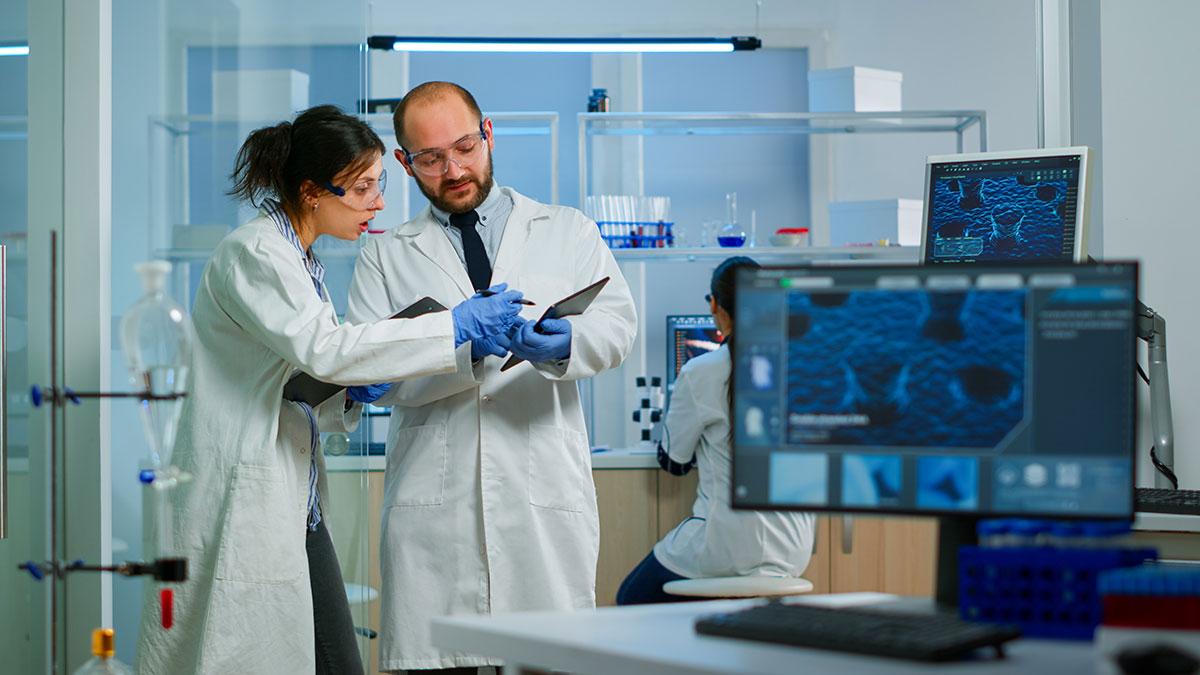
When I think about my career in medicine and biotechnology, what excites me most is the journey from discovery to impact. Translational medicine is about bridging the gap between laboratory research and real-world patient care. It is the process of taking a promising idea, molecule, or therapy and turning it into something that changes lives. In my work as a physician-scientist and clinical leader, I have seen firsthand the challenges and rewards of translating science into meaningful outcomes for patients.
The Promise of Discovery
Science begins with curiosity. In the lab, researchers explore mechanisms of disease, study cellular processes, and test potential interventions. These discoveries are full of promise, but they are also just the beginning. A molecule that works in a petri dish or animal model does not automatically translate into a safe and effective therapy for humans. Understanding this distinction is crucial for anyone working in clinical development or translational medicine.
Early in my career, I was drawn to hematology and oncology because of the potential to make a tangible difference. These fields offered the opportunity to take discoveries from bench to bedside, helping patients with serious conditions achieve better outcomes. However, I quickly realized that scientific knowledge alone was not enough. Turning research into therapy requires careful planning, collaboration, and a deep understanding of both patients and regulatory processes.
Bridging Science and Patient Needs
Translational medicine is about context. Every step, from preclinical studies to clinical trials, must be informed by the needs and experiences of patients. This means asking questions beyond efficacy in a laboratory model. How will the therapy affect quality of life? Are there populations that respond differently? What are the risks and how can they be managed?
In my experience, involving patients and advocacy groups early in the process provides insights that can shape trial design, endpoint selection, and overall strategy. Listening to patients helps ensure that the therapies we develop address real-world needs and challenges. It reminds us that the ultimate goal is not publication or approval, but improving the lives of those we serve.
The Importance of Multidisciplinary Collaboration
One of the most critical aspects of translational medicine is teamwork. Moving a discovery from lab bench to clinic involves collaboration between scientists, clinicians, regulatory experts, statisticians, and operations teams. Each brings unique expertise, and the process succeeds only when these perspectives are integrated.
I have led global clinical programs where collaboration was essential. Scientists provide insight into mechanisms of action and potential biomarkers. Clinicians contribute understanding of patient populations and care pathways. Regulatory teams guide safety and compliance. Operations and project management ensure timelines and resources are aligned. Translational medicine thrives when these roles are aligned around a shared goal: delivering meaningful therapy to patients.
Navigating Challenges
The path from discovery to patient impact is rarely linear. Setbacks are common, whether due to unexpected side effects, recruitment challenges, or data that does not meet expectations. In these moments, translational medicine demands flexibility, problem-solving, and perseverance.
One of the lessons I have learned is the value of treating challenges as data. When a trial does not achieve its intended outcome, careful analysis can reveal insights about disease biology, patient responses, or trial design. These insights inform the next steps and bring us closer to meaningful solutions. Translational medicine is iterative, and progress often comes in small, cumulative steps rather than dramatic breakthroughs.
Leadership and Responsibility
As a senior medical leader, I have also learned that translational medicine carries responsibility. Decisions impact patients, families, and entire communities. Every trial, protocol change, or new therapy introduction must be approached with scientific rigor, ethical consideration, and transparency. Balancing the desire for innovation with the need for safety and integrity is a constant challenge, but it is essential for trust in science and medicine.
Effective leadership in translational medicine also requires mentoring and empowering teams. I strive to cultivate a culture where ideas are heard, questions are welcomed, and individuals are encouraged to apply creativity and critical thinking. The success of translational medicine depends not only on scientific innovation but also on the people driving it.
A Personal Reflection
Looking back, I am reminded that the most rewarding moments in medicine and biotech are not the publications, presentations, or regulatory approvals. They are the moments when a therapy reaches a patient and improves their life. Translational medicine is both a science and a human endeavor. It requires curiosity, rigor, collaboration, and empathy.
Every discovery is a potential opportunity to change lives, but it is only through thoughtful translation that that promise is realized. By connecting laboratory research with patient needs, by listening to insights from diverse teams and communities, and by approaching every challenge with integrity, translational medicine can deliver its greatest impact.
Translational medicine is where science meets humanity. It is a bridge between knowledge and action, discovery and care. For me, it is the most exciting and meaningful part of my work. Seeing a therapy evolve from a concept in a laboratory to a treatment that offers hope and improved outcomes for patients is a reminder of why I chose this path.
It is a journey that requires patience, collaboration, and relentless curiosity, but it is a journey worth taking. Translational medicine is not just about advancing science. It is about creating impact, improving lives, and ensuring that every innovation reaches the people who need it most. That is what drives me every day.